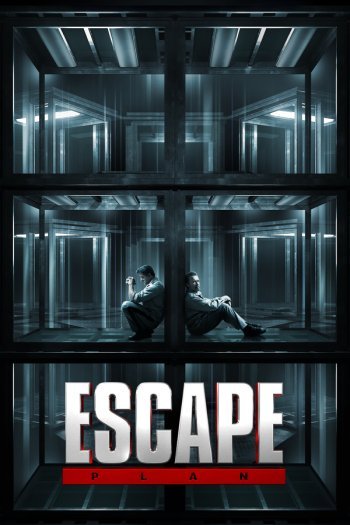
The allure of an impossible escape, the thrill of outsmarting the un-outsmartable, and the sheer grit required to break free—these are the hallmarks of the Escape Plan film series. But beyond the intricate blueprints and high-tech prisons, what truly captivates audiences is the dynamic ensemble of characters brought to life by a stellar lineup of actors. Delving into Comparing the Casts Across the Escape Plan Film Series reveals a fascinating evolution, showcasing how star power, new blood, and returning favorites shaped the franchise's trajectory.
From the seismic teaming of action legends to the introduction of formidable new allies, the casting decisions in each Escape Plan installment have been crucial. They dictate not just the on-screen chemistry but the very tone and scope of Ray Breslin’s perilous world, influencing everything from the intensity of the action to the emotional stakes of survival.
At a Glance: The Escape Plan Cast Journey
- Original Power Duo: The first film’s monumental pairing of Sylvester Stallone and Arnold Schwarzenegger was a box office draw, cementing the series’ high-octane action identity.
- Expanding the Roster: Escape Plan 2: Hades introduced new martial arts expert Dave Bautista, broadening the universe and action dynamics.
- Refined Chemistry: Escape Plan: The Extractors saw the successful return of Stallone and Bautista, solidifying a new core team.
- Ray Breslin's Evolution: Sylvester Stallone's character, Ray Breslin, anchors the series, growing from an expert into a seasoned, battle-hardened survivor.
- Unsung Heroes: The supporting casts are vital, providing necessary camaraderie, tension, and challenging puzzles for Breslin to solve.
- Beyond the Faces: Precision stunt choreography, innovative set design, and immersive sound work are integral, making the actors' performances even more impactful.
The Foundation: Escape Plan (2013) – The Unlikely Duo
The original Escape Plan wasn't just another action movie; it was a cinematic event, primarily because it delivered on a promise fans had dreamed of for decades: Sylvester Stallone and Arnold Schwarzenegger, co-starring, truly sharing the screen, and not just in cameo roles. This wasn't merely casting; it was a strategic masterstroke that defined the film's identity.
Stallone, as the brilliant prison security expert Ray Breslin, brought his signature blend of stoicism and underlying vulnerability to a man wrongly imprisoned in the very facility he designed. He's the brains, the meticulous planner, the one who sees the cracks in any system. Schwarzenegger, as the enigmatic Emil Rottmayer, provided the brawn, the wild card, and a surprising emotional depth. Their on-screen chemistry, built on years of friendly rivalry and mutual respect, was palpable. They weren't just two action heroes; they were two veteran performers playing off each other with a wink and a nod, perfectly balancing suspense with moments of levity.
The supporting cast in the first film also played critical roles. Jim Caviezel as the sadistic warden Hobbes, Vincent D'Onofrio as the manipulative chief of security Lester Clark, and Amy Ryan as Breslin's steadfast business partner Abigail Ross, all contributed to a rich tapestry of allies and adversaries. Each actor contributed to the psychological chess match Breslin found himself in, elevating the stakes beyond mere physical escape. This powerful ensemble, anchored by its two colossal leads, ensured Escape Plan was a box office success, proving that sometimes, two legends are better than one.
Expanding the Universe: Escape Plan 2: Hades (2018) – New Faces, New Challenges
With the success of the first film, the Escape Plan universe expanded, and with it, the cast. Escape Plan 2: Hades aimed to introduce new characters and dynamics while keeping Sylvester Stallone's Ray Breslin at its core. The most significant addition was Dave Bautista, stepping into the role of DeRosa, a formidable martial arts expert and one of Breslin's key team members. Bautista brought a different kind of physicality and a stoic intensity that contrasted well with Stallone's more cerebral approach. His presence immediately diversified the action sequences, adding a fresh dynamic beyond the traditional gunfights and close-quarters combat.
The narrative of Hades saw Breslin infiltrate a new, even more technologically advanced prison to rescue a kidnapped team member. This setup necessitated a broader ensemble, bringing in new faces like Huang Xiaoming as Shu Ren, Breslin's associate who finds himself trapped in the titular "Hades" prison. While the film received mixed feedback, often criticized for its plot complexity, the introduction of a more diverse, internationally flavored cast was a clear attempt to broaden the series' appeal and explore new action subgenres.
This installment was a crucial step in the series' evolution, showing a willingness to move beyond the singular Stallone-Schwarzenegger dynamic. It leaned into the concept of Breslin building a specialized team, making the series less about one man and more about a network of experts. For a deeper dive into the roster of characters introduced in this pivotal sequel, you can Learn about the Escape Plan 2 cast. The film experimented with a new formula, laying groundwork for future iterations by testing which new characters resonated with the audience.
Refining the Formula: Escape Plan: The Extractors (2019) – The Resurgence of a Team
Escape Plan: The Extractors represented a significant refinement of the series' cast strategy, building on the groundwork laid by its predecessor. This installment not only brought back Sylvester Stallone as Ray Breslin but also wisely reintegrated Dave Bautista, now in the more prominent role of Trent DeRosa. Their established camaraderie, hinted at in Hades, was fully embraced, creating a more cohesive and impactful duo. Bautista's character seamlessly blended into Breslin's operations, acting as a reliable, powerful ally, and their dynamic provided a strong, believable core for the film’s action.
The plot escalated the stakes significantly, focusing on a personal vendetta against Breslin and the kidnapping of his love interest, Abigail Ross (played by Jaime King, who also joined the returning cast). This humanized the stakes, making Breslin's mission even more urgent and personal. The film introduced Max Zhang as Shen Lo, a martial arts expert with a personal connection to the antagonist, adding another layer of intricate, expertly choreographed combat. His addition further solidified the series' commitment to showcasing diverse fighting styles and broadened the ensemble’s action capabilities.
The Extractors was met with a more positive audience response than Hades, largely attributed to its streamlined plot, heightened action sequences, and the effective utilization of its core cast. The film demonstrated that the series could thrive not just on star power but on a well-constructed team dynamic, where each member brings a distinct skill set to the seemingly impossible task of escape and extraction. The cast felt more like a unified unit, enhancing the narrative of careful planning and expert execution that defines the Escape Plan brand.
The Evolution of Ray Breslin: Sylvester Stallone's Anchoring Performance
Throughout the Escape Plan series, Sylvester Stallone's portrayal of Ray Breslin remains the unwavering anchor. While the supporting casts have shifted and evolved, Breslin's journey provides the continuous thread that binds the films together.
In the first film, Breslin is the detached expert, a cerebral architect of security systems whose intellectual curiosity is piqued by the challenge of "The Tomb." He's confident, methodical, and even a little arrogant in his abilities. His incarceration is a profound shock, forcing him to experience the mental and emotional toll of confinement firsthand—fear, isolation, desperation. This experience profoundly changes him, adding layers of empathy and personal investment to his subsequent missions.
By Escape Plan 2 and 3, Breslin is no longer just a prison security tester. He's evolved into a leader of a specialized extraction team, driven by a deeper sense of responsibility and loyalty to his associates. The missions become increasingly dangerous, pushing his limits not just physically, but morally. He grapples with betrayal, the loss of those he cares about, and the relentless pursuit of freedom not just for himself, but for others. Stallone imbues Breslin with a world-weariness that speaks to the trauma of his experiences, yet never diminishes his resolve. He’s a survivor, a strategist, and now, a protector, continually adapting to new threats and demonstrating the resilience required to navigate a world obsessed with trapping the untrappable. His character's development underscores the series' deeper themes of psychological confinement and the empowering moments of liberation.
The Power of the Ensemble: Supporting Cast Dynamics
While the leads grab the headlines, the supporting cast in the Escape Plan series is vital, often determining the success of Breslin's intricate schemes. These actors aren't just background players; they provide the critical pieces of the puzzle, fostering camaraderie, creating tension, and driving the plot forward.
Consider the role of characters like Abigail Ross (Amy Ryan, then Jaime King). She's Breslin's intellectual equal and emotional anchor, a testament to the fact that even the most self-sufficient individual needs a trusted confidante. Her presence grounds Breslin's often-isolated world. Then there are the team members like Hush (Curtis "50 Cent" Jackson) and DeRosa (Dave Bautista), who offer distinct skill sets—Hush with his tech prowess and DeRosa with his formidable combat abilities. Their interactions with Breslin establish a sense of loyalty and shared purpose, making the stakes personal when one of them is in danger.
Even the antagonists, like the ruthless warden Hobbes (Jim Caviezel) or the vengeful Lester Clark (Vincent D'Onofrio) in the first film, or the cold-blooded Baku (Harry Shum Jr.) and brutal mob boss (Daniel Bernhardt) in later installments, are crucial. Their performances embody the deadly obstacles and intellectual challenges Breslin faces, elevating the drama beyond mere action. The casting of these roles is meticulous, ensuring that each actor brings credibility to their character, whether they are allies or betrayers, enhancing the complex web of relationships and the relentless pursuit of freedom that defines the series. Without these diverse and well-executed supporting roles, Breslin's genius would have far less to test itself against, and his triumphs would feel less earned.
Beyond the Stars: Stunt Work, Set Design, and Sound
It’s easy to focus solely on the famous faces, but the Escape Plan films thrive on a confluence of creative talents that elevate the cast's performances. The franchise is renowned for its fantastic action scenes and choreography, and these are not just the work of the actors alone.
The stunt choreography and action sequences are executed with precision and expertise, delivering jaw-dropping, boundary-pushing thrills while ensuring performer safety. Actors like Sylvester Stallone and Dave Bautista bring their own physical prowess, but it's the stunt teams who meticulously plan and execute the complex maneuvers, falls, and fights that make the action feel so visceral. This partnership between performer and stunt double, and the choreography teams, is crucial for bringing the intense action to life.
Furthermore, the set design and special effects innovations add immense realism and intensity. From the stark, futuristic interiors of "The Tomb" to the gritty, labyrinthine passages of "Hades," each prison environment is a character in itself. These captivating and complex escape rooms, brought to life through intricate design and cutting-edge visual effects, provide the perfect canvas for the actors to demonstrate their characters' ingenuity and desperation. The physical spaces dictate the challenges and the opportunities for escape, making the actors' interactions with their environment as critical as their interactions with each other.
Finally, the music and sound design amplify tension and excitement. Skilfully crafted sound effects—the clang of a closing cell door, the whirring of security cameras, the impact of a fist—immerses the audience, making every daring move and every close call feel more immediate. The evocative scores heighten emotional stakes and drive the narrative pulse, ensuring that the audience is not just watching, but truly feeling the intense emotions, deadly challenges, and the relentless struggle for survival that the cast so ably portrays. These elements create the captivating experiences that allow the actors to shine even brighter.
Why These Casts Resonate: Themes and Legacy
The collective strength of the Escape Plan casts—from the original legendary pairing to the evolving ensemble—has been instrumental in solidifying the series' legacy within the action-thriller genre. Their performances do more than just deliver lines; they embody the core themes and tropes that make the franchise so compelling.
The actors bring to life the psychology of confinement and liberation, allowing audiences to feel the mental and emotional toll of being trapped, whether it's Ray Breslin's initial shock, Emil Rottmayer's resigned patience, or the desperation of newly imprisoned allies. When characters like Dave Bautista's Trent DeRosa execute a flawless takedown, it's not just action; it’s an empowering moment of liberation, a physical manifestation of breaking free.
The recurring themes of challenging puzzles, betrayal, and the relentless pursuit of freedom are amplified by the nuanced performances. Every glance, every carefully delivered line, every explosive action sequence from the cast contributes to the meticulous storytelling and detailed planning that the series champions. The seamless integration of action and intellectual challenges, driven by believable character motivations, has set new standards for intensity and complexity.
This dedication to character and narrative, brought to life by a committed cast, has captivated audiences, leading to a loyal fan base. The ability of the actors to convey deep personal stakes within high-octane scenarios is what elevates the Escape Plan films beyond mere spectacle, ensuring their enduring appeal and influence in the genre.
Looking Ahead: The Future of the Escape Plan Universe
Given the Escape Plan series' consistent financial success and a growing, loyal fan base, the potential for further sequels or spin-offs remains strong. The detailed world-building, which continually introduces new, inescapable prisons and the shadowy organizations behind them, provides a fertile ground for new stories. More importantly, the compelling characters, particularly Sylvester Stallone's Ray Breslin and Dave Bautista's Trent DeRosa, have established a robust core that audiences want to follow.
The evolution of the casts across the films demonstrates a willingness to adapt, to introduce new talent, and to refine character dynamics based on audience reception. This flexibility bodes well for the future. Imagine new characters with unique skill sets joining Breslin’s team, or even a spin-off focusing on one of the supporting members undertaking their own extraction mission. The blend of intricate planning, intense action, and the psychological drama of confinement and liberation offers an inexhaustible source of gripping storylines.
Ultimately, the enduring appeal of the Escape Plan franchise lies in its ability to combine high-stakes action with characters we invest in. As long as there are impossible prisons to break out of and formidable actors to bring those struggles to life, Ray Breslin's world will likely continue to expand, offering exhilarating cinematic experiences for years to come.